
 英语
英语 俄语
俄语 日语
日语 阿拉伯语
阿拉伯语 西班牙语
西班牙语محتوى
- 1 What Is a Drink Dispenser Called? The Direct Answer
- 2 The Role of the Tap: Why the Metal Drink Dispenser Tap Matters
- 3 Types of Drink Dispensers by Design and Use
- 4 Drink Dispenser Terminology: A Full Glossary
- 5 How to Choose the Right Metal Drink Dispenser Tap
- 6 Drink Dispenser Applications Across Settings
- 7 Maintaining and Replacing a Metal Drink Dispenser Tap
- 8 Comparing Metal Drink Dispenser Taps: Key Specifications at a Glance
- 9 Common Mistakes When Buying or Using a Drink Dispenser
- 10 Where to Buy Metal Drink Dispenser Taps and Replacement Parts
What Is a Drink Dispenser Called? The Direct Answer
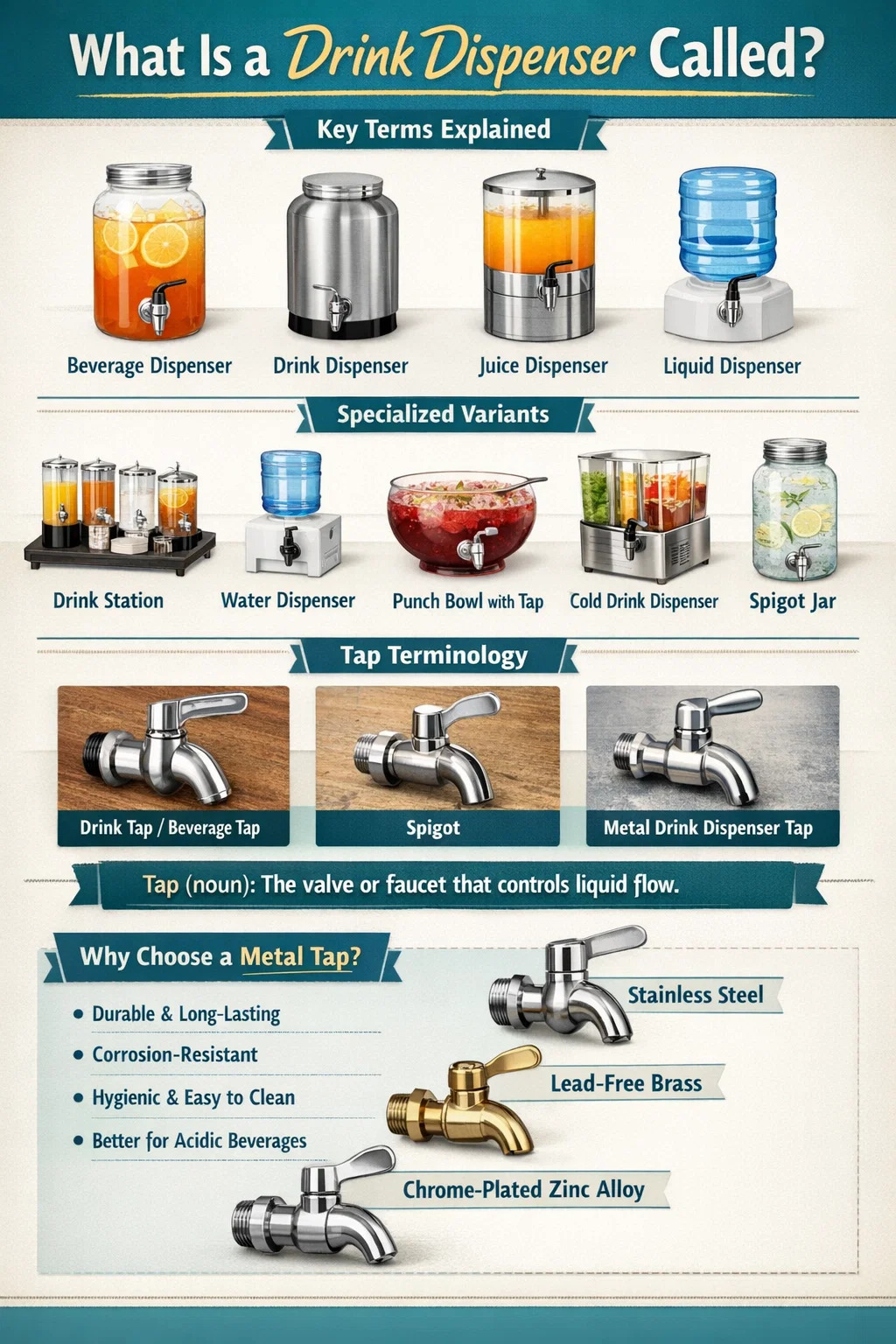
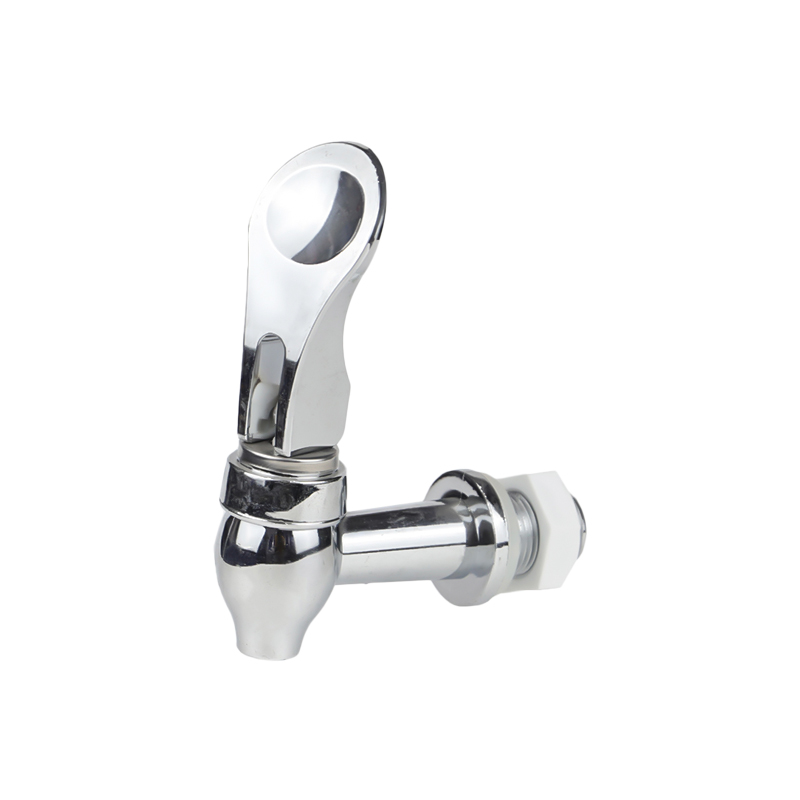
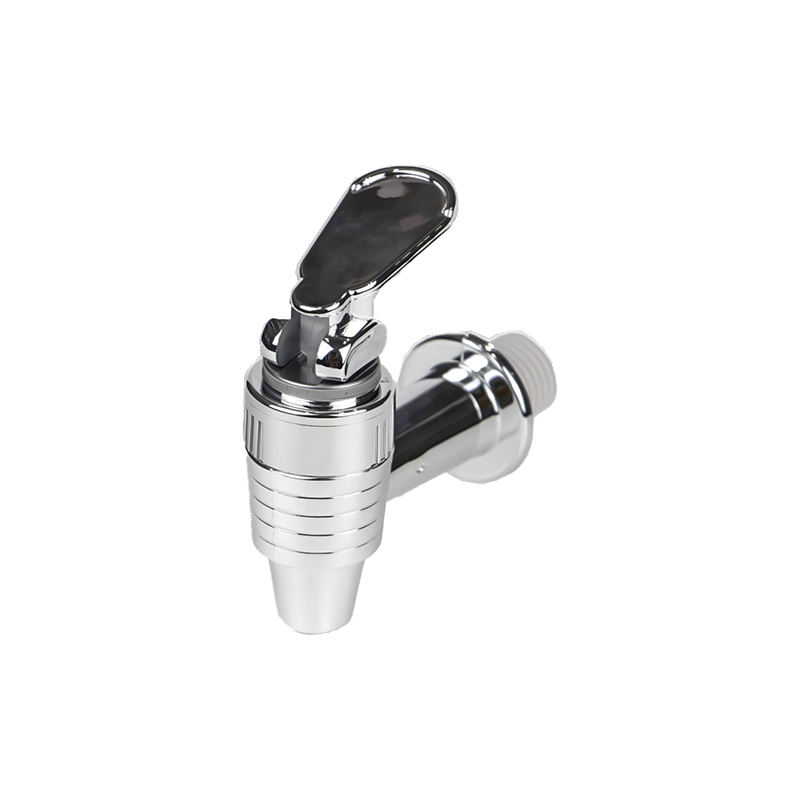
A drink dispenser goes by several names depending on its design, material, and setting. The most common terms include beverage dispenser, drink dispenser, juice dispenser, and liquid dispenser. In commercial and bar settings, the dispensing mechanism itself is specifically called a drink tap, beverage tap, or dispenser tap. When the unit is made from stainless steel or brass, it is typically referred to as a metal drink dispenser tap or metal beverage dispenser faucet.
The word "dispenser" covers the entire vessel — the container plus the spout or tap mechanism. The word "tap" refers specifically to the valve or faucet that controls liquid flow. So a complete unit might correctly be called a "glass beverage dispenser with metal tap" or a "stainless steel drink dispenser with spigot." Understanding these terms helps when searching for the right product, reading product listings, or ordering replacement parts.
Other regional and industry-specific names include:
- Drink station — common in catering and buffet environments
- Beverage server — used in hospitality contexts
- Cold drink dispenser — refers to refrigerated or insulated units
- Water dispenser — a subcategory for water-only units
- Juice dispenser — used specifically for juices or infused waters
- Punch bowl with tap — a decorative party-oriented version
- Spigot jar — a glass jar fitted with a metal or plastic spigot
The Role of the Tap: Why the Metal Drink Dispenser Tap Matters
The tap or spigot is the functional heart of any drink dispenser. It controls how liquid flows, how fast it pours, and whether it drips or seals cleanly. A metal drink dispenser tap performs significantly better than plastic alternatives in nearly every measurable way — durability, hygiene, aesthetics, and long-term value.
Plastic taps are common in budget dispensers but crack over time, especially when exposed to acidic beverages like lemonade or fruit punch. Metal taps, particularly those made from 304 stainless steel or lead-free brass, resist corrosion, handle high-acid liquids without degrading, and maintain a watertight seal far longer. In a commercial setting, a metal tap can last 5 to 10 years or more with basic maintenance, while a plastic tap may need replacement within 12 to 24 months.
Common Metal Materials Used in Drink Dispenser Taps
- Stainless steel (304 grade): The most food-safe and corrosion-resistant option. Ideal for cold beverages, water, juice, and iced tea dispensers. Easy to sanitize and does not leach chemicals.
- Lead-free brass: Often used in high-end dispensers and barrel taps. Brass provides a classic, premium look and excellent sealing performance. Must be certified lead-free for food contact use.
- Chrome-plated zinc alloy: A mid-range option offering the look of metal at a lower price point. Less durable than solid stainless or brass but better than plastic. Common in decorative dispensers.
- Copper-finish taps: Primarily decorative. Used on mason jar dispensers and rustic-style beverage servers. Not always food-grade copper, so verify before use with acidic drinks.
When selecting a metal drink dispenser tap, always check whether it carries an NSF/ANSI certification or equivalent food-contact safety standard. This ensures the metal and any coatings used are safe for direct contact with beverages.
Types of Drink Dispensers by Design and Use
Drink dispensers come in a wide range of designs suited to different settings. Choosing the right type requires matching the dispenser to its intended environment, beverage type, volume requirements, and aesthetic preferences.
Glass Beverage Dispensers with Metal Taps
Glass dispensers are popular for home entertaining, weddings, and upscale events. They showcase the color of the beverage inside — important when serving infused waters, sangria, or lemonade. Models with stainless steel or brass taps are preferred because glass bodies paired with cheap plastic taps create a functional mismatch. The glass lasts; the plastic tap fails first.
Standard glass beverage dispensers range from 1 gallon (approximately 3.8 liters) to 3 gallons (approximately 11.4 liters). For a party of 20 to 30 people, a 2-gallon dispenser typically provides adequate capacity for a single beverage service, assuming roughly 8 oz per person per refill.
Stainless Steel Drink Dispensers
Fully stainless steel drink dispensers — both body and tap — are the workhorses of commercial food service. Hotels, catering companies, and corporate cafeterias rely on them for their durability, temperature retention, and ease of sanitation. Insulated stainless steel models can keep beverages cold for 8 to 12 hours without ice, depending on ambient temperature.
Commercial-grade stainless steel dispensers typically hold between 5 liters and 30 liters. High-volume models used in hotel breakfast service can hold up to 60 liters and feature multiple taps for simultaneous service.
Acrylic Dispensers with Metal Spigots
Acrylic dispensers offer a clear view of the contents similar to glass but are far more shatter-resistant. They are commonly used at outdoor events, buffets, and self-serve stations. When paired with a metal drink dispenser tap, acrylic units deliver a good balance between visual appeal and durability. They are lighter than glass, making transport and setup easier.
One limitation: acrylic can scratch over time with abrasive cleaning, and some models are not suitable for hot beverages. Always check the manufacturer's temperature rating before filling with hot tea or coffee.
Stackable and Multi-Tier Dispensers
Multi-tier or stackable dispensers allow two or three different beverages to be served from a single footprint. These are particularly useful for events where space is limited. Each tier typically has its own tap, and premium models use individual metal drink dispenser taps on each level to prevent cross-contamination and ensure independent flow control.
Mason Jar and Barrel-Style Dispensers
Mason jar dispensers are a popular choice for rustic, farmhouse, and outdoor wedding aesthetics. They typically hold 1 to 2 gallons and use a metal spigot screwed into a pre-drilled hole. Barrel-style dispensers, often made from wood or ceramic, serve a decorative role and are more commonly used for wine, cider, or punch at themed events.
Drink Dispenser Terminology: A Full Glossary
The world of drink dispensers uses a range of overlapping terms. Knowing what each one means prevents costly purchasing mistakes and helps you ask the right questions when shopping or ordering parts.
| Term | What It Refers To | Common Setting |
|---|---|---|
| Beverage Dispenser | Full unit: container + tap | Home, events, commercial |
| Drink Tap / Beverage Tap | The dispensing valve only | Bar, catering, restaurant |
| Spigot | A simple on/off valve, usually screwed in | Mason jars, glass dispensers |
| Faucet | A more complex valve, often with flow control | Commercial dispensers |
| Metal Drink Dispenser Tap | A tap made from stainless steel, brass, or zinc alloy | All settings, premium tier |
| Drink Station | A setup including dispenser, drip tray, and cups | Buffets, hotels, offices |
| Liquid Dispenser | Generic term including non-beverage uses | Industrial, lab, food service |
| Cold Brew Tower | Tall dispenser for cold brew coffee | Specialty coffee shops |
How to Choose the Right Metal Drink Dispenser Tap
Selecting the correct metal drink dispenser tap is not just about matching aesthetics. The tap must fit the container's outlet size, handle the beverage type, and withstand the frequency of use expected in your setting. Getting this wrong results in leaks, contamination risk, or premature failure.
Thread Size and Fitting Compatibility
Most standard drink dispensers use a 3/4-inch or 1-inch threaded outlet. Before purchasing a replacement or upgrade tap, measure the internal diameter of the existing outlet opening. Taps use either NPT (National Pipe Thread, common in North America) or BSP (British Standard Pipe, more common in Europe and Asia). These thread standards are not interchangeable, so confirm before ordering.
A silicone or rubber washer is almost always required to create a watertight seal between the tap and the container wall. Always check whether a washer is included when purchasing a new metal tap, as omitting it leads to dripping or leaks even if the tap itself is a perfect fit.
Beverage Type and Material Compatibility
Not all metal taps are rated for all beverages. Acidic drinks — citrus juices, vinegar-based punches, kombucha — can corrode certain metals over time. 304 stainless steel is the safest universal choice for acidic beverages. Brass taps are excellent but must be confirmed as lead-free for food use. Chrome-plated zinc alloy taps are acceptable for water and low-acid beverages but should not be used with highly acidic liquids.
Flow Rate and Valve Design
Different tap valve designs produce different flow rates and pouring experiences. The main types are:
- Push-lever taps: Fast, intuitive, and popular in self-serve stations. One push opens the valve fully; releasing closes it. Good for high-traffic settings.
- Twist-turn taps: Provide more flow control. The user rotates the handle to open partially or fully. Better for thick beverages or when precise pour control is needed.
- Spigot taps: A simple 90-degree turn opens and closes the valve. Common on barrel dispensers and large catering units.
- Ball valve taps: Highly reliable, minimal drip, quarter-turn operation. Used in professional settings where longevity and clean shut-off are priorities.
Ease of Cleaning
Hygiene is a critical factor, especially when dispensing sugary beverages that encourage bacterial growth. Taps that disassemble without tools are significantly easier to sanitize thoroughly. Look for models with removable spout tips and accessible internal chambers. A tap that cannot be fully cleaned is a food safety liability in any setting.
Some metal taps are dishwasher-safe, which simplifies cleaning considerably. Verify this in the product specifications — not all metal taps tolerate high dishwasher temperatures without affecting seals or coatings.
Drink Dispenser Applications Across Settings
Understanding where drink dispensers are used most helps clarify which features matter most in each context. The requirements for a home party dispenser are very different from those for a hotel breakfast buffet or an outdoor festival.
Home and Entertaining Use
For home use, aesthetics and ease of use are the top priorities. Glass or acrylic dispensers with decorative metal taps are popular. Capacity needs are typically 1 to 3 gallons. The focus is on visual presentation — showing off the colors of infused water, sangria, or a signature cocktail. A brushed stainless steel or antique brass tap elevates the look of a home dispenser significantly compared to a black plastic spigot.
Ease of cleaning matters at home too, but the usage frequency is low enough that a tap requiring manual disassembly is still practical. Most home users clean their dispenser taps after each event rather than daily.
Catering and Event Use
Catering requires high-volume dispensers with robust metal taps that can handle hundreds of pours per day. Stainless steel bodies with ball-valve taps are the standard here. Transport durability is equally important — dispensers that travel to event venues need taps that don't loosen or leak during transit. Many caterers use locking tap covers or transport the tap and container separately to prevent accidental spills.
At a catered event for 200 guests, a single 10-liter dispenser serving 200ml portions will run dry after 50 servings. Most catering setups require multiple units or dispensers with a minimum 20-liter capacity for continuous service without constant refilling.
Restaurant and Commercial Food Service
Restaurants use drink dispensers in self-serve stations, back-of-house preparation areas, and customer-facing bar setups. NSF-certified metal drink dispenser taps are non-negotiable in most commercial kitchens, as health inspectors check that all food-contact surfaces meet safety standards. 316 stainless steel is preferred in high-end food service for its superior corrosion resistance compared to the more common 304 grade.
Office and Workplace Settings
Office drink dispensers prioritize ease of maintenance and low-mess operation. Drip trays paired with sealed metal taps prevent puddles on office counters. Many office water dispensers use a top-loaded bottle with a sealed delivery system, but countertop beverage dispensers for infused water or juice are increasingly common in modern workplaces that focus on employee wellness initiatives.
Maintaining and Replacing a Metal Drink Dispenser Tap
Even a high-quality metal drink dispenser tap will eventually show signs of wear. Knowing when and how to maintain or replace it protects both the dispenser and the beverages served from it.
Signs That a Tap Needs Replacing
- Persistent dripping even when fully closed — indicates a worn internal seal or damaged valve seat
- Stiffness or resistance when opening or closing — mineral buildup or corrosion inside the valve mechanism
- Visible corrosion or pitting on the metal surface — compromises food safety
- Discoloration of beverages passing through the tap — a sign of metal leaching or contamination
- Cracked or deformed spout tip — affects pour accuracy and can harbor bacteria
Routine Cleaning Procedure for Metal Taps
- Remove the tap from the dispenser by unscrewing it counterclockwise. Drain any residual liquid.
- Disassemble the tap into its component parts — spout, valve body, handle, and sealing washer.
- Soak all metal parts in a food-safe sanitizing solution (e.g., diluted white vinegar or a commercial beverage line cleaner) for 15 to 30 minutes.
- Scrub the interior of the spout with a small tap-cleaning brush to remove biofilm or mineral deposits.
- Rinse all parts thoroughly with clean water. Allow to air dry completely before reassembling.
- Inspect the rubber washer or O-ring for cracks or deformation. Replace if necessary — washers are inexpensive and are the most common cause of leaks.
- Reassemble and reattach to the dispenser. Tighten firmly but do not overtighten, which can crack glass containers.
For commercial dispensers used daily, this process should be completed at minimum once per week, and more frequently when serving sugary beverages. For home dispensers used occasionally, cleaning after each use event is sufficient.
Comparing Metal Drink Dispenser Taps: Key Specifications at a Glance
Shopping for a metal drink dispenser tap involves comparing several technical and practical specifications. The table below outlines what to look for and why each spec matters.
| Specification | What to Look For | Why It Matters |
|---|---|---|
| Material | 304 stainless steel or lead-free brass | Food safety and corrosion resistance |
| Thread Size | 3/4" or 1" — match to existing outlet | Ensures proper fit and watertight seal |
| Thread Standard | NPT (North America) or BSP (Europe/Asia) | Incompatible standards cause leaks |
| Valve Type | Ball valve, push-lever, or twist-turn | Affects flow control and ease of use |
| Certification | NSF/ANSI or equivalent food-contact standard | Required for commercial use; ensures safety |
| Disassembly | Tool-free preferred | Simplifies cleaning and maintenance |
| Washer Included | Silicone or food-grade rubber | Essential for leak prevention |
| Finish | Brushed, polished, or matte | Aesthetic compatibility with dispenser |
Common Mistakes When Buying or Using a Drink Dispenser
Even experienced buyers make avoidable errors when selecting or setting up drink dispensers. These mistakes range from minor inconveniences to genuine food safety issues.
- Buying a dispenser without checking the tap material: Many attractively priced glass dispensers come with plastic taps that fail quickly. Always check the tap material separately from the container material.
- Ignoring thread compatibility: Purchasing a replacement metal tap without confirming thread size and standard results in a part that simply won't fit. Measure twice, order once.
- Placing the dispenser too close to the edge of a surface: Dispensers need clearance below the tap to fit a cup or glass. A minimum of 15 to 20 cm of clearance below the tap spout is needed for standard mugs; more for tall glasses.
- Overfilling past the maximum fill line: Overfilled dispensers place excess pressure on the tap seal, leading to leaks. Always fill to the manufacturer-indicated maximum.
- Not cleaning the tap between events: Sugar residue inside a tap will ferment and grow mold within 24 to 48 hours at room temperature. This is one of the most common food safety mistakes with drink dispensers in catering and home settings alike.
- Using a single dispenser for hot and cold beverages interchangeably: Not all dispensers or taps are rated for hot liquids. Using a room-temperature or cold dispenser for tea or coffee can warp seals or crack acrylic/glass bodies. Always check the heat rating before filling with hot beverages.
Where to Buy Metal Drink Dispenser Taps and Replacement Parts
Metal drink dispenser taps and replacement components are widely available through several channels, each with its own advantages depending on your needs.
Online Retailers and Marketplaces
Online marketplaces carry an extensive range of metal drink dispenser taps, including replacement spigots, complete tap assemblies, and tap upgrade kits for popular dispenser models. Filtering by material (stainless steel, brass) and thread size is usually possible, which simplifies finding a compatible part. Reading verified reviews specifically mentioning leak performance and long-term durability is strongly recommended before purchasing.
Restaurant Supply and Catering Equipment Stores
For commercial-grade metal taps, restaurant supply stores offer NSF-certified products with detailed technical specifications. Staff at these stores can usually advise on thread compatibility and appropriate materials for specific beverage types. This channel is particularly useful for high-volume purchases or when commercial certification documentation is required.
Directly From Dispenser Manufacturers
Buying a replacement metal tap directly from the original dispenser manufacturer guarantees compatibility. Many brands offer official replacement taps for their dispenser lines, including upgraded metal versions for dispensers that originally shipped with plastic taps. This is typically the most reliable route when dealing with proprietary thread sizes or specialized fittings.
When purchasing from any source, prioritize sellers that provide clear specifications for material grade, thread size, thread standard, and whether a food-safe washer is included. A well-specified product listing is itself a sign of a quality product — manufacturers who cut corners on materials rarely provide detailed technical documentation.